

The psychology behind gambling why we take risks at the casino
The Allure of Risk and Reward
The psychology of gambling is deeply rooted in the allure of risk and the potential for substantial rewards. The thrill of possibly winning big often overshadows the reality of losing money. Gamblers are drawn to the excitement of the unknown, which triggers the brain’s reward system, releasing dopamine and creating a feeling of euphoria. This biological response can make the experience addictive, encouraging players to return to online casinos in search of that high.
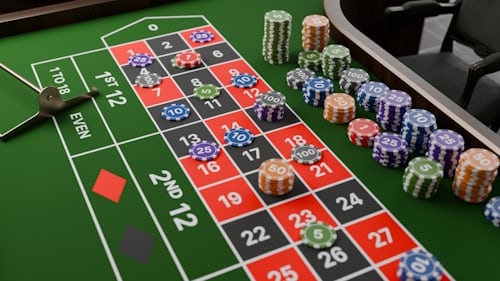
Furthermore, the randomness of gambling contributes to its appeal. The element of chance captivates players, making each roll of the dice or spin of the slot machine a potential turning point. This unpredictability allows individuals to fantasize about their fortunes changing in an instant, reinforcing the desire to take risks.
The Role of Cognitive Biases
Cognitive biases play a significant role in gambling behavior, influencing how individuals perceive odds and outcomes. One common bias is the illusion of control, where gamblers believe they can influence random events through skill or strategy. This misconception can lead to repeated betting, as players feel empowered by their perceived abilities.
Additionally, the gambler’s fallacy often clouds judgment. This bias leads individuals to assume that past outcomes will affect future results, such as believing that a winning streak will continue or a losing streak is due to reverse. These cognitive distortions can trap gamblers in a cycle of repeated risks, as they chase losses or cling to winning moments.
The Social Dynamics of Gambling
The social aspect of gambling cannot be overlooked. Casinos are designed to create a communal atmosphere, where players feed off each other’s excitement and energy. This social interaction enhances the overall experience, making it more enjoyable and compelling. Sharing victories or commiserating over losses fosters a sense of belonging among gamblers.
Moreover, peer influence can significantly impact an individual’s decision to gamble. Friends or family who encourage gambling can amplify one’s willingness to take risks. As social beings, humans often find it hard to resist group dynamics, and this communal aspect of gambling can lead to increased participation and risk-taking behavior.
The Impact of Marketing and Environment
The environment of casinos is meticulously crafted to entice and retain players. Bright lights, lively sounds, and the scent of free drinks are all designed to create a sensory experience that promotes longer playtime. This immersive environment can distort players’ perceptions of time and money, making them more likely to gamble beyond their intended limits.
Additionally, marketing strategies utilized by casinos often exploit psychological principles. Promotions, loyalty programs, and the framing of games can make losses feel less significant and wins appear more frequent. These tactics manipulate players’ perceptions, leading them to take risks they might otherwise avoid.

Enhancing Your Gaming Experience
Understanding the psychology behind gambling can significantly enhance your gaming experience. By recognizing the emotional and cognitive factors at play, you can make more informed decisions about your gambling habits. Whether you’re a casual player or a high-stakes gambler, awareness of these psychological elements can help you enjoy the thrill while minimizing risks.
Our website offers a wealth of resources to help you navigate the world of online gaming. From detailed reviews of top-rated casinos to insights on game mechanics, we aim to provide you with the knowledge needed for a safe and enjoyable gaming experience. Explore our offerings to enhance your understanding and enjoyment of casino gaming.